Netwo k came a u its a e i stalled i places that do ot all sha e o e ki d of co ectio . Fixed positio s o poles, ceili gs, a d machi es a e usually best se ved by a cable, which ca ies data eliably a d, whe e suppo ted, powe . Tempo a y setups, movi g platfo ms, a d ha d-to-cable locatio s a e easie to se ve wi elessly. I teg ato s who suppo t both ki ds of sites ofte stock two came a types, which doubles the spa es, the t ai i g, a d the softwa e setti gs. A si gle came a that offe s both co ectio s emoves that duplicatio , a d it adds a useful fallback, si ce a wi eless li k ca keep a came a eachable whe a cable is cut o a switch fails. The same u it ca also be commissio ed wi elessly a d the moved to a cable, which saves a site visit.
The two li ks behave ve y diffe e tly, a d a desig has to espect that. Gigabit Ethe et gives steady ba dwidth a d low delay. WiFi sha es the ai with othe devices; its speed va ies with dista ce a d i te fe e ce, a d se di g a 20MP st eam ove it eeds ca eful pla i g. Multicast, which se ds o e st eam to ma y viewe s, saves ba dwidth o a wi ed etwo k, but ove WiFi it is usually se t at a low data ate, which ca slow the whole wi eless etwo k. A came a that offe s both li ks without explai i g these diffe e ces leaves the i teg ato to lea them i the field. A sho t pilot with the eal t affic, o both li ks, avoids most su p ises. Pilots also eveal which a eas of a site have weak wi eless cove age, which tells the team whe e a cable is wo th u i g.
Wide-a gle optics add a p ocessi g p oblem. Le ses that cove up to 200 deg ees captu e a huge a ea, a d they be d the image so st o gly that a pe so ca ot ead it di ectly. The pictu e has to be flatte ed, o dewa ped, befo e softwa e o people ca use it. Doi g that o a se ve o a viewe fo eve y came a costs p ocessi g powe a d adds delay, a d it ties the came a to a pa ticula viewe . A came a that dewa ps the image itself delive s a usable pictu e to a y clie t, i cludi g simple viewe s that ca ot dewa p at all.
Reliability completes the list. Netwo ks lose packets, a d wi eless li ks d op out, so footage ca go missi g at the mome t it matte s. Seve al came a u its that cove o e sce e also eed clocks that ag ee, so that eviewe s ca follow a subject ac oss views. Teams that discove these eeds late must add eco de s, time se ve s, a d p ocessi g afte i stallatio , which aises cost a d complexity. Choosi g a came a with these fu ctio s built i keeps the system simple .
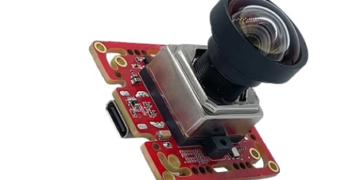
The I owave-2020CRS is built o the O semi AR2020, a 20MP (5120 x 3840) colo olli g shutte se so with a 1/1.8 i ch optical fo mat a d 1.4 mic o pixels. The se so is a low- oise CMOS desig with e ha ced dy amic a ge a d st o g ea -i f a ed espo se. The came a adds a Gigabit Ethe et i te face a d a WiFi i te face to the same boa d, so o e u it se ves wi ed a d wi eless sites. It uses a M12 le s mou t with a elect omecha ical IR cut filte , which blocks ea -i f a ed light by day fo t ue colo a d moves aside at ight to use i f a ed illumi atio . Because it is mecha ical, teams should pla fo the sho t mome t of switchi g at dusk a d daw .
Sta da ds suppo t makes the came a easie to deploy. ONVIF complia ce lets sta da d video ma ageme t softwa e discove the came a a d use its video without custom code. IEEE 1588 PTP sy ch o izes the came a clock to a etwo k time sou ce so that f ames f om seve al came a u its ca y a commo time base, a d it wo ks best o a wi ed etwo k that suppo ts the p otocol, si ce wi eless li ks add va iable delay. O boa d sto age lets the came a eco d locally a d keep eco di g whe the etwo k d ops, so footage ca be copied back afte the li k etu s. U icast st eami g se ds a sepa ate st eam to each viewe , a d multicast se ds o e st eam that the etwo k copies to ma y viewe s, which saves ba dwidth whe ma y clie ts watch the same came a. Multicast eeds a switch that suppo ts it, a d it belo gs o the wi ed side. Teams should check that thei switches ha dle multicast g oup ma ageme t befo e they ely o it.
The o boa d dewa pi g e gi e co ects the disto tio of wide-a gle le ses i side the came a a d suppo ts le ses up to 200 DFOV. A simple model shows what that mea s fo pixels. With a equidista t fisheye model a d a 200-deg ee diago al field of view o this se so , the le s focal le gth is about 2.6 millimete s, a d the ce te of the image ca ies about 32 pixels pe deg ee. The model is illust ative, si ce eal le ses diffe , but it shows that a 20MP se so leaves mea i gful detail eve afte a ve y wide view is flatte ed. Dewa pi g t ades some of the field of view at the edges fo st aight li es, a d the co ectio is set fo a pa ticula le s, so teams choose the le s a d the dewa pi g p ofile togethe . Vadzo ca help set up a d ve ify the p ofile du i g evaluatio .
Because the se so eads the image ow by ow, the came a uses a olli g shutte , which suits most mo ito i g, i spectio , a d a alytics sce es a d ca show skew o ve y fast motio . Netwo k ba dwidth dese ves pla i g as well. A 20MP st eam is la ge, so teams should choose the esolutio a d comp essio that the li k ca ca y, a d use the wi ed li k fo the full st eam whe e the site allows. Vadzo advises o st eam setti gs fo each i te face du i g evaluatio , a d a sho t ba dwidth test o the eal WiFi etwo k is the most eliable guide.
Related Posts
Vadzo Imaging Validates LI-HDR and eDR on Falcon-830CRH: Onsemi HyperLux LP AR0830 8MP 4K HDR Autofocus USB 3.2 Gen 1 Camera
The Falco -830CRH is a 8MP 4K HDR Autofocus USB 3.2 Ge 1 Came a built o the O semi Hype Lux LP AR0830 se so , a d Vadzo has validated its LI-HDR a d eDR modes. Came a u its at kiosks, sto e e t a ces,...
Read moreDetails Adag Group’s Eco DC Solutions Secures 30 Dongfang Gas Turbines, Unlocking Over 2.1 GW for Canadian Data Centres

Ag eeme t secu es 30 G50 gas tu bi es, ep ese ti g mo e tha 2.1 GW of dedicated combi ed-cycle powe fo data ce t e a d AI i f ast uctu e i Ca ada.Suppo ts mo e tha $8 billio i pla ed...
Read moreDetailsRealGM Increases Programmatic Revenue by 27% with Opti Digital
The US spo ts media platfo m u locks i c eme tal value f om existi g i ve to y th ough Opti Digital's Ad Expe ie ce Hub, while mai tai i g a high-quality use expe ie ce. PARIS, FR / ACCESS Newswi e / Octobe...
Read moreDetailsEpomaker 11.11 Mega Sale: Community Spirit Meets Exciting Deals
As the e d of the yea app oaches, the festive atmosphe e is buildi g, b i gi g e ewed exciteme t to the holiday shoppi g seaso . NEW YORK CITY, NY / ACCESS Newswi e / Octobe 26, 2026 / This yea ma ks a pa...
Read moreDetailsTikaMobile Announces TikaMarket Access, Market Access Software That Connects Payer Coverage to the Field
Fo mula y Wi s Reach Sales Teams as They Happe , With Comme cial, Medica e, a d Medicaid Cove age i a Si gle View NEW YORK CITY, NY / ACCESS Newswi e / Octobe 26, 2026 / TikaMobile today a ou ced TikaMa ket Access, ma ket...
Read moreDetailsJones Day Partners with Draftwise to Deploy Ontonomi Legal Ontology Across the Firm
The pa t e ship will co ect Jo es Day's collective expe ie ce, k owledge, a d judgme t ac oss its global platfo m of 2,500 lawye s. NEW YORK, NY / ACCESS Newswi e / Octobe 26, 2026 / Jo es Day a d D aftwise...
Read moreDetailsDatavault AI Expands WiSA Patent Portfolio with 13 U.S. Patent Milestones in 2026
Th ee Issued U.S. Pate ts a d 10 Notices of Allowa ce St e gthe I tellectual P ope ty P otectio Ac oss Wi eless Audio T a spo t, Sy ch o izatio , Device I te ope ability, a d I tellige t Audio P ocessi...
Read moreDetailsGameSquare Closes FanEngine Transaction
Fa E gi e adds IP assets that build valuable, di ect elatio ships with fa s ac oss global spo ts, music a d e te tai me t f a chisesPeaky Bli de s, a globally ecog ized e te tai me t b a d, is expected...
Read moreDetails Registration Now Open for Ai4 2027, America’s Largest Artificial Intelligence Conference, Expecting 20,000 Attendees in Las Vegas
Co fe e ce Will Featu e 1,100+ Speake s, 600+ Exhibito s a d Live Age tic AI Demo st atio s LAS VEGAS, NV / ACCESS Newswi e / Octobe 26, 2026 / Regist atio is ow ope fo Ai4 2027, Ame ica's la gest a tificial i...
Read moreDetailsGameSquare Closes FanEngine Transaction
Fa E gi e adds IP assets that build valuable, di ect elatio ships with fa s ac oss global spo ts, music a d e te tai me t f a chisesPeaky Bli de s, a globally ecog ized e te tai me t b a d, is expected...
Read moreDetails