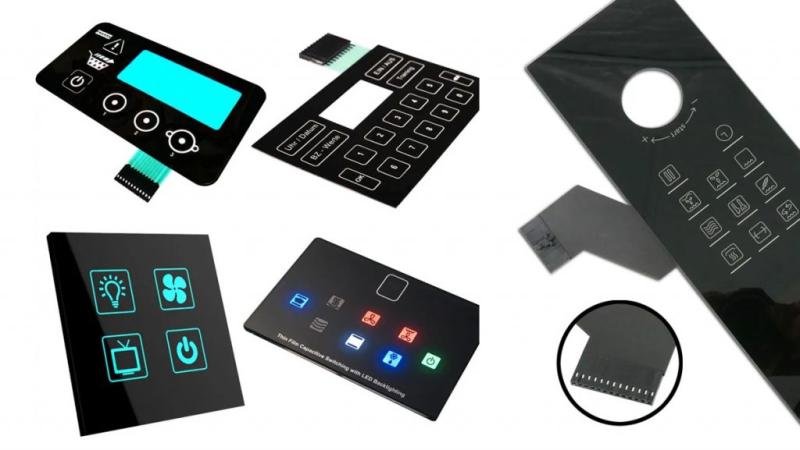
In the world of modern electronics, user interface technology is evolving rapidly, transforming the way we interact with devices. One of the most significant advancements in this area is the capacitive touch switch. Found in everything from smartphones and home appliances to industrial equipment and automotive controls, capacitive touch switches are redefining convenience, efficiency, and aesthetics in electronic design.
This guide explores how capacitive touch switches work, their benefits, and the ways they are revolutionizing modern electronics. If you want to learn about capacitive touch switch, this blog will provide an in-depth understanding of its applications and advantages.
1. What Are Capacitive Touch Switches?
A capacitive touch switch is an electronic switch that responds to the touch of a human finger or a conductive object. Unlike mechanical switches, which rely on physical movement to open or close a circuit, capacitive switches detect changes in capacitance caused by proximity or direct touch.
Capacitance: The ability of a system to store an electrical charge. When a finger touches the switch, it changes the local capacitance, triggering the electronic circuit.
Non-Mechanical Design: There are no moving parts, reducing wear and tear and improving durability.
These switches offer a smooth, responsive, and modern interface for electronic devices.
2. How Capacitive Touch Switches Work
Capacitive touch switches operate based on the principle of electrostatic field variation.
Here’s a simplified explanation:
Electrode Placement: A conductive electrode is placed beneath a surface, often glass, plastic, or metal.
Detection of Touch: When a finger approaches or touches the surface, the capacitance between the electrode and the finger changes.
Signal Processing: The switch’s electronic controller detects this change and activates the corresponding circuit, turning on a device or triggering a function.
This process allows for precise, reliable detection without the need for pressure or mechanical contact.
3. Advantages Over Traditional Mechanical Switches
Capacitive touch switches offer several benefits over traditional mechanical switches:
Durability: Without moving parts, these switches are less prone to wear, breakage, or mechanical failure.
Hygiene: Flat surfaces are easier to clean and disinfect, making them ideal for medical, kitchen, and public applications.
Aesthetics: Sleek, seamless designs improve the look of modern devices.
Customization: Touch-sensitive surfaces can be designed to blend into panels, walls, or appliances, allowing for creative designs.
Fast Response: Immediate detection and activation improve user experience.
The combination of durability, aesthetics, and functionality makes capacitive switches a popular choice in consumer electronics and industrial equipment.
4. Applications in Consumer Electronics
Capacitive touch switches have become a standard in consumer electronics due to their convenience and sleek design:
Smartphones and Tablets: The most familiar example is the touchscreen interface, which relies heavily on capacitive technology for gestures and controls.
Home Appliances: Microwave ovens, washing machines, and air conditioners increasingly use touch panels instead of mechanical buttons.
Remote Controls: Some smart TVs and audio systems use touch-sensitive panels for a modern, minimalist look.
Wearables: Fitness trackers and smartwatches use capacitive touch to create compact and responsive controls.
These applications demonstrate how capacitive touch technology improves usability while contributing to the modern, minimalist design trend.
5. Industrial and Automotive Applications
Beyond consumer devices, capacitive touch switches are transforming industrial and automotive electronics:
Industrial Equipment: Machines in factories often require controls that are robust, dustproof, and easy to clean. Capacitive touch panels meet these requirements.
Automotive Controls: Modern vehicles feature touch-sensitive controls for infotainment systems, climate control, and interior lighting. These switches reduce mechanical wear and improve aesthetic appeal.
Medical Devices: In healthcare, capacitive switches are ideal for equipment that must remain sterile and easy to clean.
By replacing mechanical switches in harsh or high-use environments, capacitive touch technology enhances durability, hygiene, and operational efficiency.
6. Customization and User Experience
One of the most significant advantages of capacitive touch switches is their adaptability:
Customizable Shapes and Sizes: Designers can create switches of virtually any shape or size to match the device interface.
Multi-Touch Capability: Many switches support multi-touch gestures, allowing for complex input methods such as pinch, swipe, or scroll.
Feedback Options: Haptic feedback or LED indicators can provide confirmation of activation, improving user confidence and usability.
These features allow manufacturers to design intuitive, interactive, and aesthetically pleasing interfaces.
7. Energy Efficiency and Low Maintenance
Capacitive touch switches require minimal power, making them suitable for battery-operated devices such as portable electronics and IoT devices.
Low Power Consumption: These switches consume less energy than traditional mechanical switches or relays.
Minimal Maintenance: The absence of mechanical parts means fewer repairs and replacements over time.
Long Lifespan: High durability reduces long-term costs and improves device reliability.
Energy efficiency and low maintenance are particularly beneficial in industrial, commercial, and remote applications.
8. Integration with Smart Technologies
Capacitive touch switches are compatible with modern smart technologies, further expanding their applications:
Home Automation: Touch panels can control lighting, HVAC systems, and security features in smart homes.
IoT Devices: Capacitive touch interfaces integrate seamlessly with connected devices, enabling remote control and monitoring.
Interactive Kiosks: Retail, hospitality, and transportation sectors use touch-sensitive panels for user-friendly interfaces.
These integrations demonstrate the versatility of capacitive touch switches in both everyday and advanced technological applications.
9. Trends in Capacitive Touch Technology
The demand for capacitive touch switches is increasing due to several trends in technology and design:
Thin and Flexible Panels: New materials allow for ultra-thin, flexible touch-sensitive surfaces that can be integrated into clothing, furniture, or curved screens.
Glass and Metal Integration: Sleek glass and metal panels create a premium look while maintaining touch sensitivity.
Haptic Feedback: Advanced tactile responses enhance user interaction, simulating button presses without mechanical parts.
Water and Dust Resistance: Modern switches are more durable in challenging environments, making them suitable for kitchens, outdoor equipment, and industrial settings.
These trends indicate that capacitive touch technology will continue to play a crucial role in the evolution of modern electronics.
10. Challenges and Considerations
While capacitive touch switches offer numerous advantages, there are some considerations:
Cost: They may be more expensive to produce than traditional mechanical switches.
Sensitivity Issues: Excessive moisture, gloves, or conductive materials may interfere with detection.
Electrical Noise: Industrial environments with high electrical interference may require shielding to maintain reliability.
Despite these challenges, advances in design, software, and materials are minimizing issues and enhancing performance.
11. Conclusion
Capacitive touch switches are revolutionizing modern electronics by offering a combination of sleek design, durability, and advanced functionality. From smartphones and home appliances to industrial equipment and automotive systems, these switches provide an intuitive and reliable user interface while reducing mechanical wear and energy consumption.
Their versatility, energy efficiency, and seamless integration with smart technologies make capacitive touch switches an essential component of modern devices. Whether for consumer electronics, industrial machinery, or automotive controls, capacitive touch technology continues to redefine how we interact with the digital world.
For those who want to learn about capacitive touch switch, https://e2ip.com/products/capflex/ understanding the principles, benefits, and applications outlined here provides a clear insight into why this technology is shaping the future of electronics. As touch-sensitive technology evolves, it will continue to influence design, usability, and innovation across countless industries.
491, 85 Dunstall Hill, Wolverhampton WV6 0SP, UK
I am a guest posting and link-building professional, helping businesses enhance their online visibility through high-quality backlinks. My services are designed to improve search rankings, drive targeted traffic, and support consistent sales growth.
This release was published on openPR.