According to the report published by Virtue Market Research In 2024, the Global Biometric Smart Card Market was valued at $33.08 billion, and is projected to reach a market size of $88.21 billion by 2030. Over the forecast period of 2025-2030, market is projected to grow at a CAGR of 17.76%.
Request Sample Copy of this Report @https://virtuemarketresearch.com/report/biometric-smart-card-market/request-sample
The Biometric Smart Card Market has been experiencing steady growth due to the increasing demand for secure authentication solutions in both government and private sectors. A major long-term driver of this market is the rising need for enhanced security in financial transactions and identity verification processes. Organizations and governments are investing heavily in biometric smart cards to prevent fraud, data breaches, and identity theft. These cards combine traditional smart card technology with biometric data, making them a reliable solution for secure access. The outbreak of COVID-19 further emphasized the importance of contactless and secure identification methods, as organizations sought safer ways to verify identities without physical interaction. The pandemic accelerated digital transformation and prompted faster adoption of biometric smart card solutions, especially in banking, healthcare, and government sectors.
In the short term, the market is being driven by the rapid adoption of digital payments and e-governance initiatives. With more transactions happening online and governments moving toward digitized citizen services, the demand for biometric smart cards has increased sharply. Consumers and organizations are seeking solutions that are not only secure but also convenient, which has fueled short-term growth in this market. One significant opportunity lies in expanding biometric smart card usage in emerging economies. These regions are witnessing rising digital literacy, improving infrastructure, and government initiatives aimed at providing secure identification for large populations. Deploying biometric smart cards in such markets could open new revenue streams while enhancing security and accessibility for citizens.
A notable trend observed in the industry is the integration of multi-factor authentication within smart card systems. Companies are increasingly combining biometric verification with PIN codes or mobile authentication to offer layered security solutions. This trend addresses growing concerns around identity theft and cybercrime while enhancing user trust in digital systems. Additionally, biometric smart cards are being designed to support a variety of applications, including border control, healthcare access, and financial services, making them more versatile and appealing to a wider audience. The focus on interoperability and standardization is also shaping the market, ensuring that biometric smart cards can be adopted seamlessly across different platforms and systems.
Segmentation Analysis:
By Application: Payments, Access Control, Government ID and Financial Inclusion, Others
Biometric Smart Card Market by application shows that the largest segment is Government ID and Financial Inclusion. Many governments are issuing smart cards to make sure citizens have secure and verifiable identity documents, which helps in benefits distribution and welfare programs. These cards are trusted because they store personal information along with fingerprints or iris scans, which makes fraud harder. The fastest-growing segment during the forecast period is Payments. With more people using debit, credit, and digital wallets, payment companies are looking for safer ways to authenticate transactions.
Biometric smart cards make payments more secure and reduce chances of misuse. Access Control also contributes to growth, especially in workplaces, but it is smaller than Government ID. Others include specialized applications in transportation or loyalty programs, but they are less common. Overall, Government ID dominates the market due to wide adoption, while Payments is quickly gaining popularity as digital payments rise across the globe.
By End-User Vertical: BFSI, Retail, Government, Healthcare, Commercial Entities, Others
Biometric Smart Card Market by end-user vertical has the largest share in the Government sector. National ID schemes, voter registration, and public service programs rely heavily on secure smart cards, making governments the biggest users. They implement these cards across multiple departments to maintain identity security and prevent misuse. The fastest-growing vertical during the forecast period is Healthcare. Hospitals, clinics, and insurance providers are adopting biometric smart cards to keep patient records safe, control access to sensitive areas, and simplify patient verification.
BFSI comes next in importance, using cards for bank accounts, loan approvals, and ATMs, but it is not as fast-growing as Healthcare. Retail uses biometric smart cards for loyalty programs or secure payments but occupies a smaller portion. Commercial entities, such as corporate offices, adopt these cards for employee access, though their contribution is limited. Others include utilities or telecom services, which are gradually exploring biometric smart cards.
Read More @https://virtuemarketresearch.com/report/biometric-smart-card-market
Regional Analysis:
Biometric Smart Card Market by region is largest in North America. Countries like the U.S. and Canada are investing in advanced security solutions for banking, government, and healthcare, making smart cards highly adopted. The fastest-growing region during the forecast period is Asia-Pacific. Nations such as India, China, and Southeast Asian countries are rapidly implementing smart card projects for government IDs, financial inclusion, and digital payments. Europe has a steady presence, focusing on access control and payment security but growing slower compared to Asia-Pacific.
South America shows gradual adoption, mainly in banking and government programs. The Middle East & Africa is emerging slowly, with projects in select countries for secure ID programs and public services. North America dominates because of early adoption and technological readiness, while Asia-Pacific grows quickly due to population scale, infrastructure expansion, and rising digitalization across multiple sectors.
Latest Industry Developments:
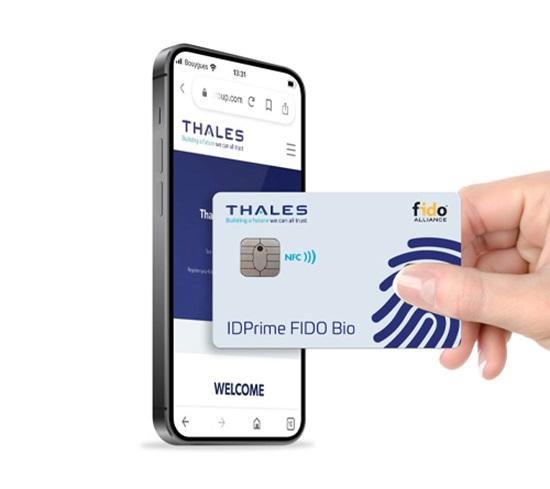
• Adoption of Dual-Interface Biometric Cards: Companies in the biometric smart card market are increasingly adopting dual-interface cards that support both contact and contactless transactions. This approach enhances user convenience and aligns with the growing preference for contactless payments. By offering flexibility in transaction methods, companies aim to cater to a broader customer base and improve user experience. The integration of dual-interface capabilities allows for seamless transitions between different payment environments, thereby increasing the cards’ applicability across various sectors. This strategy not only meets current consumer demands but also positions companies to adapt to future technological advancements in payment systems.
• Integration of Advanced Biometric Technologies: To enhance security and user authentication, companies are integrating advanced biometric technologies, such as fingerprint, iris, and facial recognition, into their smart cards. This integration provides a higher level of security compared to traditional PIN-based systems, reducing the risk of fraud and unauthorized access. By incorporating these technologies, companies aim to build consumer trust and meet the increasing demand for secure payment solutions. The adoption of advanced biometrics also aligns with regulatory requirements in various regions, ensuring compliance with data protection and privacy laws.
• Strategic Partnerships with Financial Institutions: Companies are forming strategic partnerships with financial institutions to expand the adoption of biometric smart cards. These collaborations enable companies to leverage the financial institutions’ established customer bases and distribution networks, facilitating wider reach and faster market penetration. Through these partnerships, companies can also gain insights into consumer preferences and tailor their products to meet specific market needs. Such alliances enhance credibility and foster mutual growth, benefiting both parties in the competitive biometric smart card market.
customize the Full Report Based on Your Requirements @https://virtuemarketresearch.com/report/biometric-smart-card-market/customization
CONTACT US :
Virtue Market Research
Kumar Plaza, #103, SRPF Rd, Ramtekadi, Pune, Maharashtra 411013, India
E-mail: megha@virtuemarketresearch.com
Phone: +1-917 436 1025
ABOUT US :
“Virtue Market Research stands at the forefront of strategic analysis, empowering businesses to navigate complex market landscapes with precision and confidence. Specializing in both syndicated and bespoke consulting services, we offer in-depth insights into the ever-evolving interplay between global demand and supply dynamics. Leveraging our expertise, businesses can identify emerging opportunities, discern critical trends, and make decisions that pave the way for future success.”
This release was published on openPR.