Smart Wearable Market
The global smart wearable market is witnessing significant expansion as consumers increasingly adopt connected devices to monitor health, fitness, and lifestyle activities. According to a recent market research report published by Infinium Global Research, the global smart wearable market was valued at USD 79.45 billion in 2023 and is projected to reach USD 204.81 billion by 2032, growing at a robust compound annual growth rate (CAGR) of 11.50% during the forecast period from 2024 to 2032. The report provides a comprehensive analysis of market dynamics, segmentation, regional trends, competitive landscape, and future growth opportunities, offering valuable insights for stakeholders across the value chain.
Get A Sample Copy of Research Report: https://www.infiniumglobalresearch.com/form/2122
Introduction to Smart Wearables
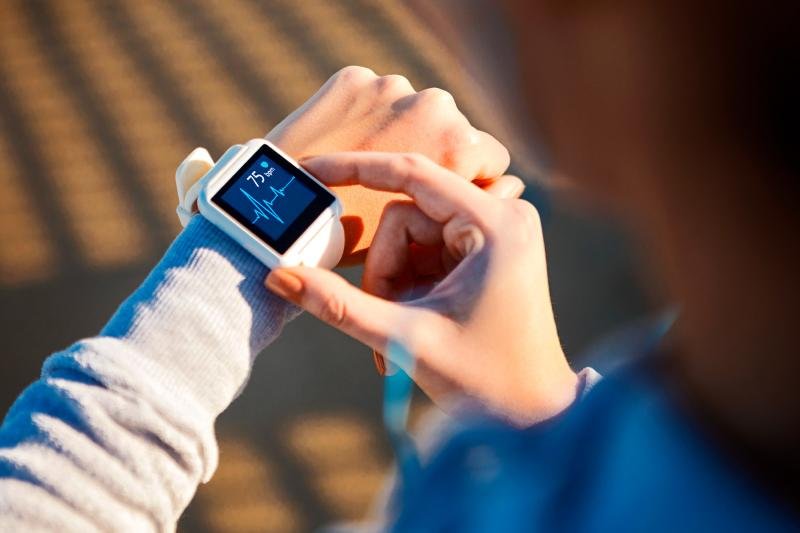
Smart wearables are electronic devices designed to be worn on the body and embedded with advanced sensors, software, and connectivity features. These devices enable real-time data collection and analysis to enhance user convenience, health monitoring, and productivity. Key product categories include smartwatches, fitness bands, hearables, smart glasses, and smart clothing. Smart wearables offer a wide range of functionalities such as heart rate monitoring, sleep analysis, physical activity tracking, GPS navigation, blood oxygen measurement, and instant notifications. With rapid advancements in artificial intelligence (AI), Internet of Things (IoT), and sensor technologies, smart wearables are evolving from basic fitness tools into sophisticated platforms supporting medical diagnostics and remote healthcare solutions.
Market Dynamics and Growth Drivers
The primary driver of the global smart wearable market is the rising consumer focus on health, wellness, and preventive healthcare. Increasing awareness of lifestyle-related diseases and the need for continuous health monitoring have fueled demand for wearable devices that provide real-time health insights. Smart wearables enable users to track vital parameters such as heart rate, calorie expenditure, sleep cycles, and oxygen saturation, empowering individuals to take proactive control of their health.
Technological advancements play a critical role in accelerating market growth. Innovations such as miniaturized sensors, enhanced battery performance, advanced data analytics, and AI-driven algorithms have significantly improved the accuracy, usability, and reliability of wearable devices. Seamless integration with smartphones, cloud platforms, and healthcare systems has further expanded the scope of applications, making smart wearables an integral part of the connected digital ecosystem.
Market Restraints and Challenges
Despite strong growth prospects, the smart wearable market faces certain challenges, particularly related to data privacy and security. Smart wearables collect and store sensitive personal and health-related information, raising concerns about data breaches, unauthorized access, and misuse of information. Privacy-conscious consumers may hesitate to adopt wearable technologies without robust data protection measures. Regulatory compliance and cybersecurity investments are therefore critical for manufacturers to build consumer trust and ensure sustained adoption.
Emerging Opportunities in Healthcare
The healthcare sector presents substantial growth opportunities for the smart wearable market. Wearable devices are increasingly used in remote patient monitoring, chronic disease management, elderly care, and telemedicine applications. By enabling continuous data collection and real-time health monitoring, smart wearables support early diagnosis, reduce hospital visits, and improve patient outcomes. Growing collaborations between wearable device manufacturers, healthcare providers, and technology firms are expected to unlock new revenue streams and accelerate innovation in medical-grade wearable solutions.
Product Type Insights
Based on product type, smartwatches dominate the global smart wearable market, accounting for approximately 45-48% of total market share. Their leadership is attributed to multifunctionality, premium design, strong brand presence, and seamless integration with smartphones and health applications. Continuous innovation, such as advanced health sensors and contactless payment features, further strengthens this segment. Fitness bands, hearables, smart glasses, and smart clothing also contribute significantly to market growth, catering to diverse consumer preferences and use cases.
Application Insights
By application, the consumer electronics segment holds the largest market share, estimated at 50-55%. Widespread adoption of smart wearables for lifestyle management, fitness tracking, and personal productivity continues to drive this segment. The healthcare application segment is expected to witness the fastest growth during the forecast period, supported by increasing use of wearables in medical monitoring, diagnostics, and remote healthcare services. Other applications include sports and fitness, industrial safety, and defense and military operations, where wearables enhance performance, safety, and operational efficiency.
Distribution Channel Insights
In terms of distribution channels, online platforms dominate the global smart wearable market, accounting for nearly 60% of total sales. The growth of e-commerce, availability of a wide product range, competitive pricing, and convenience of online shopping have fueled this trend. Offline channels, including specialty stores, brand stores, and supermarkets, continue to play a crucial role, particularly for premium and branded products where consumers seek hands-on experience and personalized assistance.
Request for Customization: https://www.infiniumglobalresearch.com/form/2122?name=Customization
Regional Analysis
North America leads the global smart wearable market, holding an estimated 38-40% share. High consumer awareness, early adoption of advanced technologies, and the strong presence of major market players contribute to regional dominance. Well-established healthcare infrastructure and increasing demand for connected health devices further support market growth in the United States and Canada.
Asia-Pacific is expected to register the fastest growth rate during the forecast period. Rapid urbanization, rising disposable incomes, and increasing smartphone penetration are driving adoption across countries such as China, India, and Japan. The presence of cost-effective manufacturers, expanding middle-class population, and growing health consciousness among younger consumers are key factors accelerating market expansion in the region. Europe and the Rest of the World also present steady growth opportunities supported by technological adoption and healthcare digitization initiatives.
Recent Industry Developments
The smart wearable market continues to evolve through strategic product launches, expansions, and acquisitions. In March 2024, Apple Inc. introduced an advanced smartwatch featuring enhanced health monitoring capabilities, including improved ECG and blood oxygen sensors. In January 2024, Samsung Electronics expanded its wearable manufacturing facility in Vietnam to strengthen its global supply chain. In October 2023, Google LLC, through Fitbit, introduced a new AI-powered fitness tracking platform integrated within its wearable ecosystem. Earlier, in July 2023, Xiaomi Corporation launched a budget-friendly smart band series targeting emerging markets in Asia-Pacific, further intensifying market competition.
Segmentation Based on Product Type:
· Smart Watches
· Fitness Bands
· Smart Glasses
· Smart Clothing
· Hearables
· Others
Segmentation Based on Application
· Consumer Electronics
· Healthcare
· Sports & Fitness
· Industrial
· Defense & Military
Segmentation Based on Distribution Channel
· Online
· Specialty Stores
· Brand Stores
· Supermarkets
Read More: https://www.infiniumglobalresearch.com/market-reports/global-smart-wearable-market
Company Profiled:
· Apple Inc.
· Samsung Electronics Co., Ltd.
· Huawei Technologies Co., Ltd.
· Xiaomi Corporation
· Google LLC acquired (Fitbit)
· Garmin Ltd.
· Sony Corporation
· Fossil Group, Inc.
· Lenovo Group Limited
· Koninklijke Philips N.V.
Report Scope and Strategic Insights
The Infinium Global Research report spans 255 pages and provides detailed insights into market size. growth trends, segmentation, and regional outlook from 2024 to 2032. It highlights key market drivers such as rising adoption of health and fitness monitoring devices and technological advancements in sensor and connectivity technologies. Analytical tools including Porter’s Five Forces analysis, DRO analysis, and the IGR-Growth Matrix are used to identify investment opportunities and assess competitive intensity. The report also outlines future trends expected to influence market demand, offering strategic guidance for existing and new market participants.
Conclusion
The global smart wearable market is poised for sustained growth over the coming decade, driven by increasing health awareness, rapid technological innovation, and expanding applications across consumer and healthcare sectors. While data privacy concerns pose challenges, ongoing advancements and strategic collaborations are expected to address these issues and unlock new growth avenues. With strong regional demand, continuous product innovation, and rising integration with digital healthcare ecosystems, the smart wearable market represents a dynamic and attractive opportunity for investors, manufacturers, and technology providers worldwide.
Contact Us:
info@infiniumglobalresearch.com
Infinium Global Research LLP
Ravet, Pune
412101
About us:
Infinium Global Research also formally introduces IGR Creatives by Infinium – a dedicated strategic branding, creative intelligence, and market positioning arm built to empower clients with insights-driven branding, communications, and content solutions tailored to domestic and international markets.
IGR Creatives by Infinium offers a unique blend of market intelligence and creative strategy. Its core value propositions to companies operating (or planning to operate) in the sectors include:
• Insight-led Branding & Messaging:
• Localization & Cultural Fit:
• Strategic Positioning in Domestic Markets:
• Go-to-Market Content & Collateral:
• Consistent Brand Architecture Across Regions:
By integrating IGR’s deep domain research expertise with creative storytelling and execution, IGR Creatives becomes a bridge between “what the data says” and “how the brand speaks.
This release was published on openPR.