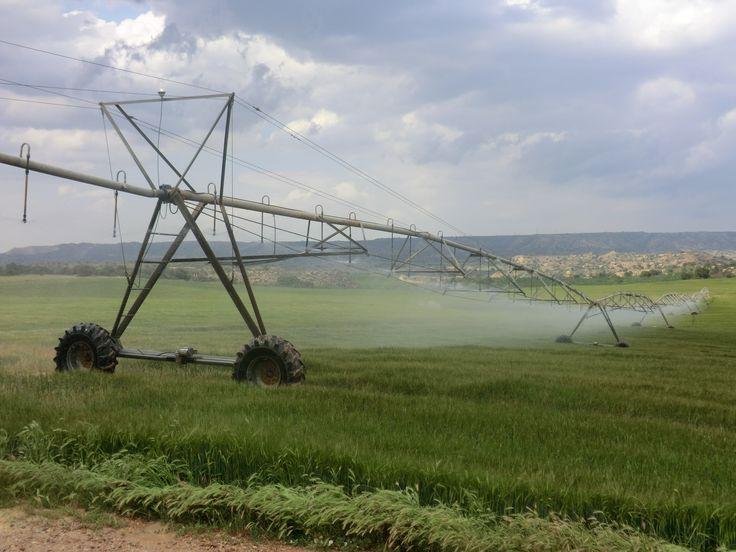
Polaris Market Research examines the smart water management market to register a robust CAGR of 13.3% during 2025-2034. The market was valued at USD 19.11 billion in 2024 and is projected to grow to USD 66.46 billion by 2034.
Market Introduction:
Smart water management refers to the use of advanced technologies and data-driven solutions to efficiently monitor, control, and optimize the distribution, usage, and quality of water resources. It integrates Internet of Things (IoT) devices, sensors, real-time data analytics, and automated control systems to improve water infrastructure and reduce waste. Smart water management can detect leaks, monitor water flow and pressure, forecast demand, and ensure timely maintenance of pipelines and equipment.
Smart water management systems support sustainable water use by enabling informed decision-making for utilities, industries, and municipalities. They also help address challenges such as water scarcity, aging infrastructure, and climate change impacts. Furthermore, smart water management systems promote transparency by providing users and authorities with detailed insights into water consumption patterns.
Get Exclusive Sample Pages of This Report: https://www.polarismarketresearch.com/industry-analysis/smart-water-management-market/request-for-sample
Major Market Drivers
Increasing Water Scarcity Globally: The rising global water scarcity, exacerbated by factors like climate change and growing population, has prompted several governments to focus on the implementation of technologies that optimize water usage. As a result, several countries are adopting smart water management systems, impacting the market development favorably.
Growing Regulatory Requirements: Governments are implementing stringent regulations and standards for water quality monitoring and wastewater management. For instance, a 2022 policy brief by the European Environment Agency (EEA) highlighted the implementation of digital water management systems to ensure compliance with the Water Framework Directive by the EU. Thus, regulatory pressures are compelling stakeholders to invest in smart water solutions and boosting the smart water management market demand.
Market Challenges
1. High Initial Investment and ROI Concerns
Smart water management solutions require significant upfront investment in hardware, software, and workforce training. Smaller municipalities and utilities may hesitate due to uncertain ROI timelines and lack of funding.
2. Data Security and Integration Complexity
As utilities adopt real-time water monitoring systems, they generate vast amounts of data that must be stored, analyzed, and protected. Ensuring cybersecurity and seamless integration with legacy systems remains a challenge.
3. Lack of Skilled Workforce
The successful implementation of smart systems depends on technicians, data analysts, and IT experts. Many water utilities face a skills gap that hinders digital transformation efforts.
4. Resistance to Change
Traditional water utilities often show reluctance toward adopting advanced technologies due to risk aversion, regulatory inertia, and operational silos.
Request for a Discount on this Report Before Purchase: https://www.polarismarketresearch.com/industry-analysis/smart-water-management-market/request-for-discount-pricing
Leading Market Participants
The market landscape is characterized by established corporations and specialized technology providers. Market competition is driven by several factors, including product differentiation, innovation, and the ability to offer comprehensive solutions. A few of the major market participants include:
• ABB Ltd.
• Honeywell International Inc.
• IBM Corporation
• Itron Inc.
• Landis+Gyr AG
• Schneider Electric SE
• Siemens AG
• SUEZ
• Trimble Inc.
• Xylem Inc.
Market Segmentation
• The market is primarily segmented into water meter, solution, service, end use, and region.
• Based on solution, the enterprise asset segment holds the largest market share. The segment’s growth is primarily fueled by the critical need to maintain and optimize aging water infrastructure. In addition, the segment’s established importance in ensuring reliable water distribution further contributes to its leading market position.
• By service, the professional segment accounts for a significant market share, driven by the need for expert consultation and support during implementation. The need for specialized skilled labor within the water industry is another major driver.
By Water Meter Outlook (Revenue – USD Billion, 2020-2034)
• AMR
• AMI
By Solution Outlook (Revenue – USD Billion, 2020-2034)
• Enterprise Asset
• Analytics & Data
• Security
• Advanced Pressure Management
• Network Management
• Smart Irrigation Management
• Customer Information System & Billing
• Others
By Service Outlook (Revenue – USD Billion, 2020-2034)
• Professional
• Managed
By End Use Outlook (Revenue – USD Billion, 2020-2034)
• Commercial & Industrial
• Residential
Click here to access the Full Report: https://www.polarismarketresearch.com/industry-analysis/smart-water-management-market
Regional Analysis
North America: Leading in Adoption and Innovation
North America dominates the global smart water management market, driven by early adoption, government funding, and technological innovation. The U.S. and Canada are investing heavily in smart meters, advanced metering infrastructure (AMI), and predictive analytics.
• The EPA’s Smart Water Infrastructure initiative supports utilities in deploying digital tools.
• Cities like Los Angeles, San Diego, and Toronto are piloting smart systems to improve water conservation.
Europe: Emphasis on Sustainability and Policy-Driven Growth
Europe follows closely, with countries like Germany, the UK, France, and the Netherlands promoting smart water solutions through regulatory frameworks.
• The EU Water Framework Directive has led to widespread deployment of smart meters and digital twin technology for utilities.
• Water utilities in Scandinavia are pioneers in implementing AI-based leakage detection and demand forecasting.
Asia-Pacific: High Growth Potential in Developing Economies
Asia-Pacific is projected to witness the fastest growth due to rapid urbanization, industrialization, and smart city initiatives. China, India, Japan, and South Korea are key markets.
• India’s Jal Jeevan Mission and Smart Cities Mission are investing in real-time monitoring and water quality sensors.
• Japan’s aging population and infrastructure are prompting automation of water management systems.
Middle East & Africa: Addressing Water Scarcity with Technology
Countries in the Middle East, including the UAE, Saudi Arabia, and Israel, are turning to smart water solutions to cope with extreme water scarcity. Governments are partnering with global technology providers to enhance water network efficiency.
• Israel’s Mekorot utility is a global leader in smart water innovation.
• Africa shows potential for mobile-based water management systems in rural areas.
Latin America: Emerging Opportunities Amid Infrastructure Upgrades
In Brazil, Chile, and Mexico, infrastructure modernization and rising water demand are creating opportunities for smart solutions. Adoption is still in its early stages but gaining momentum.
More Trending Latest Reports By Polaris Market Research:
https://www.polarismarketresearch.com/industry-analysis/educational-robot-market
https://www.polarismarketresearch.com/industry-analysis/wearable-technology-market
https://www.polarismarketresearch.com/industry-analysis/data-center-interconnect-market
https://www.polarismarketresearch.com/industry-analysis/social-platforms-for-commerce-market
https://www.polarismarketresearch.com/industry-analysis/penetration-testing-market
Contact:
Likhil G
8 The Green Ste 19824,
Dover, DE 19901,
United States
Phone: +1-929 297-9727
Email: sales@polarismarketresearch.com
Web: https://www.polarismarketresearch.com
Follow Us: LinkedIn | Twitter
About Polaris Market Research & Consulting, Inc:
Polaris Market Research is a global market research and consulting company. The company specializes in providing exceptional market intelligence and in-depth business research services for PMR’s clientele spread across different enterprises. We at Polaris are obliged to serve PMR’s diverse customer base present across the industries of healthcare, technology, semiconductors, and chemicals among various other industries present around the world. We strive to provide PMR’s customers with updated information on innovative technologies, high-growth markets, emerging business environments, and the latest business-centric applications, thereby helping them always to make informed decisions and leverage new opportunities. Adept with a highly competent, experienced, and extremely qualified team of experts comprising SMEs, analysts, and consultants, we at Polaris endeavor to deliver value-added business solutions to PMR’s customers.
This release was published on openPR.