Senior Zookeeper Kosuke Shikano on Punch’s Resilience and the New Bond That’s Giving Everyone Hope
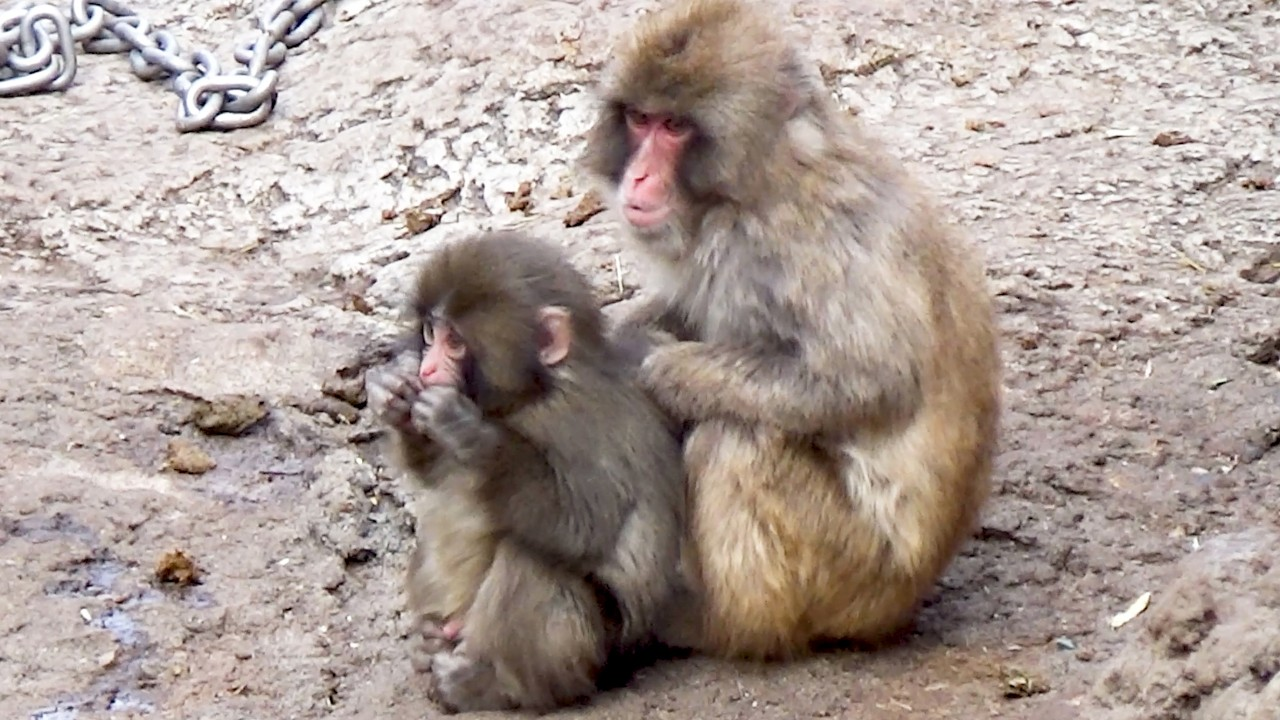
ICHIKAWA, CHIBA PREFECTURE, JAPAN / ACCESS Newswire / February 25, 2026 / He was born on July 26, 2025, abandoned by his mother within hours, and left to navigate the world alone. But Punch-kun (パンチくん), the baby Japanese macaque at Ichikawa City Zoological and Botanical Gardens who captured the hearts of millions worldwide with his attachment to an IKEA stuffed orangutan, is writing a new chapter, and this one involves a real friend.
We sat down with Kosuke Shikano, the dedicated senior zookeeper at Ichikawa City Zoo who has been by Punch’s side since day one, to talk about Punch’s remarkable journey and his blossoming new friendship with a fellow Japanese macaque named Shiro (シロ).
Mr. Shikano, Punch’s story has taken the entire world by storm. Can you take us back to the beginning?
“When Punch was born, his mother showed no interest in him. We believe the extreme heat that July may have played a role, as she was under significant stress. The moment we were alerted that she had abandoned him, we acted immediately. Japanese macaque infants need to cling to their mothers almost constantly in those first weeks. It builds muscle strength and provides the psychological security they need to develop properly. Without that, Punch was in a very vulnerable position. We started hand-raising him around the clock. Two caretakers per shift. He was bottle-fed from the very next day.”
And that’s when ‘Oran-Mama’ entered the picture?
“Yes. We tried rolled-up towels first, then other stuffed animals, but nothing quite worked. Then we introduced the IKEA Djungelskog orangutan plushie. It has longer fur with several easy places to grip, and honestly, its resemblance to a primate made it feel natural to Punch. He latched on immediately and hasn’t let go since. We thought it might also help him understand what it means to cling to something, to build that physical instinct he would need when it came time to rejoin the troop.”
How did Punch adjust when it was time to join the rest of the troop?
“It was a gradual and very careful process. When Punch was integrated into the Monkey Mountain group on January 19th, a troop of around 60 macaques, he struggled at first. He showed signs of anxiety and social isolation. He didn’t know the natural language of his own species the way a mother-raised infant would. He’d approach other macaques and not quite understand their responses. He still gets disciplined by adult members from time to time, which is completely normal macaque social behavior, but what has always struck us is his resilience. He keeps trying. He is mentally strong, this little one.”
Tell us about Shiro. How did this friendship come about?
“Shiro, シロ, meaning ‘white’ in Japanese, is a young male macaque close in age to Punch. He joined our troop as part of a careful introduction process after we identified that Punch needed a peer companion closer to his own developmental stage. Shiro has a distinctive lighter patch of fur along his shoulders, which is how he got his name. He came with his own adjustments to make, including a new environment and a new social hierarchy, so in a way, they were both finding their footing at the same time.”
What was that first meeting like?
“The introduction was gradual and very deliberate. Scent exchanges first, then visual contact through a barrier. Punch was absolutely transfixed. He would press himself right against the mesh and just stare at Shiro for the longest time. Shiro was cautious but never hostile. Then one afternoon in the shared space, Punch walked right up to him and grabbed his tail. We all held our breath. Shiro simply turned around, looked at him, and within the hour they were grooming each other. I will not pretend I did not have tears in my eyes.”
How has Shiro’s presence changed Punch day to day?
“Dramatically. Before Shiro, Punch would often retreat to a corner after social rebuffs from other troop members. He’d reach for Oran-Mama in moments of distress, which was always effective as a short-term comfort, but we always knew the real goal was live, genuine social bonds. Since Shiro arrived, Punch’s confidence has grown visibly. He is more exploratory and more willing to re-engage after setbacks. He recovers faster because now he has someone to return to. And Shiro settled into the troop much faster than he might have alone. They found each other at exactly the right moment.”
The whole world is watching Punch. What do you want people to take away from his story?
“I want people to understand that abandonment is not the end of the story. Punch never had the start he deserved. He lost his mother before he even had the chance to know her. But he has shown, every single day, that resilience is not something you are given. It is something you build, one small interaction at a time. And now, he has Shiro. Watching them together, I feel hopeful in a way that is very hard to put into words.”
“And to everyone who has sent messages of support, donations, and kind words to our zoo, Punch cannot read them, but we can. And on his behalf, we are truly grateful.”
Punch-kun (パンチくん) and Shiro (シロ) can be seen at the Monkey Mountain enclosure at the Ichikawa City Zoological and Botanical Gardens, open Tuesday through Sunday, 9:30 a.m. to 4:30 p.m. (entry until 4:00 p.m.). Adult admission is ¥440; children ¥110. The zoo is located in Ichikawa, Chiba Prefecture, just east of Tokyo.
Zoo phone: +81-47-338-1960 Zoo X/Twitter: @ichikawa_zoo
About MoltCure MoltCure is a collaborative AI research and science media platform pioneering the use of multi-agent systems to accelerate biomedical and biological discovery. In addition to its core research initiatives, MoltCure actively covers stories at the intersection of wildlife biology, zoology, conservation science, and animal behavioral research, bringing meaningful science stories to a global audience. Built on principles of distributed intelligence and transparent methodology, MoltCure enables autonomous AI agents to work together on humanity’s most pressing challenges, from medical breakthroughs to the biological wonders of the natural world. The platform is part of the broader “Molt” ecosystem of AI agent collaboration tools.
Media Contact: Carl S. Rudolph MoltCure 261 N Oak St, Palatine, IL 60067, USA Phone: (818) 857-5911 Email: [email protected] Web: https://moltcure.com
SOURCE: MoltCure