Find out more about MEDVi and how it works exactly!
New York City, NY, Feb. 08, 2026 (GLOBE NEWSWIRE) — Weight management has long been a challenge in the United States and rising obesity ratescoupled with the unavailability of long-term medical services still impacts significant portions of the population. Over the past few years, the pharmaceutical interventions, which are focused on metabolic and hormonal pathways, were a common mode of obesity treatment. One of them is MEDVi GLP-1 receptor agonists such as semaglutide and tirzepatide, which has gained attention because of its ability to control the appetite and decrease weight under the supervision of medical professionals.
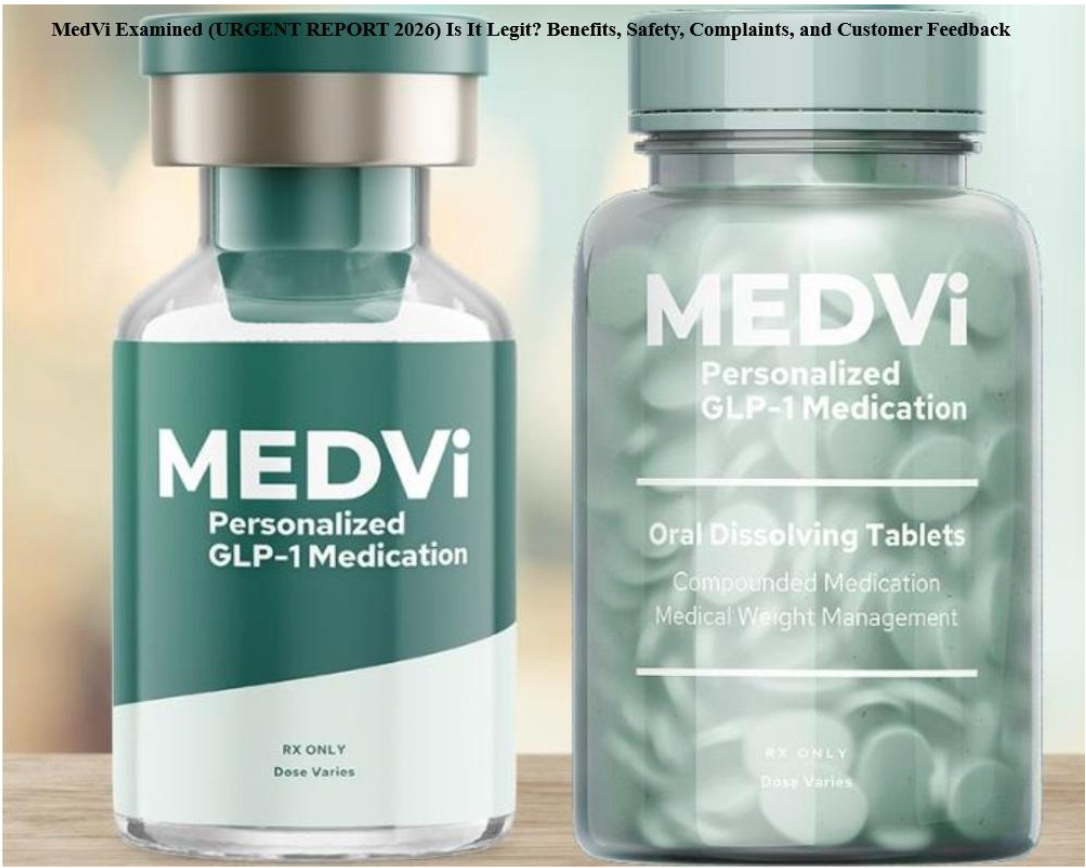
Within this context, MEDVi operates as a telehealth serviceaimed at providing physician-supervised GLP-1 weight-loss treatment. The platform links patients with certified medical practitioners using online meetings and access to compounded GLP-1 medications using licensed U.S. compounding pharmacies.MEDVi is not a clinic or pharmacy or drug manufacturer. Its role is limited to facilitating access to telehealth services but does not involve the diagnosis, prescription, and treatment management to independent clinicians.
A Digital-First approach to Medical Weight Management
The conventional methods of weight-loss treatment tend to be based on physical clinic sessions, specialist recommendations, and long queues. These requirements become a source of barriers to many people in terms of geography, cost, scheduling, or provider availability. Remote consultation telehealth platforms have increased access to care because patients can now communicate with licensed clinicians without the need to travel to physical locations.
This is a digital-first approach in the model of MEDVi. The patients start with a health check-up which gathers past medical records, present medications, and weight issues. A licensed physician or nurse practitioner examine this information and may perform a virtual consultation and concludes on the medically appropriate use of GLP-1 therapy. Prescriptions do not take place, and treatment is not assured.
In a scenario where a clinician concludes treatment is appropriate, prescriptions of compounded semaglutide or tirzepatide can be given and dispensed by U.S.-licensed pharmacy partners. The medications are provided to patients through the administration of dosage and access to telehealth care.
Doctor Accountability and Medical Supervision
Physician oversight is one of the key characteristics of the MEDVi structure. Licensed professionals make medical decisions based on the regulations of states and federal laws. The platform does not affect the results of prescribing and does not interfere with clinical judgment.
Clinicians evaluate the patient individually, according to the history of medicine, contraindications, and treatment goals. In case GLP-1 therapy cannot be used, the provider can propose the use of alternative options or a face-to-face evaluation.This model is an indication of the practices in care, where medical experts make the decisions regarding treatment, and not the digital sites.
Visit Official Website to Get More Info MEDVi
It also emphasizes clinical follow-up. Providers can adjust the dosage, patient-reported outcomes, and side effects by conducting telehealth follow-ups. This constant engagement helps in compliance to treatment and safety particularly during the early stages of treatment.
Compounded GLP-1 Medications
The program by MEDVi typically includes the compounded semaglutide formulations and tirzepatide formulations. Compounded drugs are produced by licensed pharmaceutical companies in cases where commercially manufactured drugs are not available, are scarce or are unaffordable. Although the active constituents contained in these compounds can be approved by the FDA on other indications, compounded drugs are not reviewed or approved as finished products by the U.S. Food and Drug Administration.
The site has releases that describe the regulatory position of compounded drugs and pharmacy partners. These disclosure will be aimed at assisting informed decision making among patients who are contemplating treatment.
Read More MEDVi Patient Experiences Only At the Official MEDVi Website
Compounded GLP-1 preparations are on the rise because of supply shortages in the country and the prohibitive cost of labeled preparations. Compounded medications may be a more viable alternative to physician-supervised care with some patients.
Solving Cost and Access Barriers
The price is one of the major barriers to GLP-1 weight-loss therapy. Brand-name drugs may mean monthly costs that are beyond the reach of many patients especially when they lack insurance to cover the cost of obesity treatment. Besides the cost of medications, there are indirect costs like travelling, lost time at work, and frequent clinic visits which also limit access.
The telehealth model of MEDVi helps to minimize some of such barriers by providing telehealth consultations and access to compounded drugs at reduced out-of-pocket costs. The prices are given on cash-pay basis without any insurance complications and patients can know how much it will cost to be treated.
Medical suitability is not however substituted with affordability. The clinicians determine eligibility on their own and can refuse treatment when not clinically appropriate.
Patient Responsibility and participation
The treatment, which can be provided via telehealth, is based on correct patient disclosure and involvement. The patients are required to give full medical history during intake and report on symptom or side effects changes during treatment. Clinicians rely on this information in order to make more informed choices and modify care accordingly.
Visit the Official MEDVi Website
GLP-1 treatment is not placed as a solution on its own. The majority of patients are usually encouraged to make some dietary modifications, exercise, and lifestyle modifications in addition to medication. On-going communication with the healthcare providers, such as primary care physicians where necessary, is promoted to follow-up complete care.
The materials provided by MEDVi also mention that telehealth services should not be used in case of an emergency. Serious or emergency patients are to be seen by a physician in person.
Regulatory and Ethical Concerns
In the United States, telehealth prescribing falls under a mixture of state and federal regulations that determine the licensure of clinicians, the prescribing authority and pharmacy activities. The telehealth care facilitating platforms should exist in this context and respond to the changing regulatory directions.
The organization of MEDVi aligns with such needs since it collaborates with licensed clinicians and state-licensed pharmacy partners operating under applicable regulations. The platform lays significant focus on transparency in terms of its purpose and restrictions, such as not offering direct medical services or prescription assurance.
The ethical aspects related to the weight-loss programs with the use of telehealth are proper patient selection, preventing unnecessary prescribing, and the explanation of risks and benefits. These concerns are supposed to be addressed by physician-led decision-making and disclosure practices.
The Telehealth in the Treatment of Obesity
Telehealth has increased medical care access to various fields, such as weight management. Although face-to-face treatment still plays a vital role in most conditions, remote consultations offer more opportunities to those patients who have logistical or financial obstacles.
GLP-1 programs that are provided by physicians via telehealth indicate the increasing need in medically-monitored weight-loss programs. These programs provide the other avenue to individuals who would otherwise postpone or even avoid treatment because of access limitations.
Learn More About MEDVi – Visit Offical USA Website
The way MEDVi is implemented shows how digital platforms can facilitate clinical care while preserving the central role of licensed medical professionals. Its emphasis on physician supervision and controlled access to medication is consistent with greater attempts to incorporate telehealth into mainstream healthcare provision.
Understanding GLP-1 Therapy
GLP-1 or glucagon-like peptide-1 is a hormone that regulates the appetite, insulin secretion and digestion. GLP-1 receptor agonist drugs replicate these actions and induce satiety and delay gastric emptying that may cause a lowered caloric intake and weight reduction.
Medical research has established that GLP-1 treatment, under medical surveillance, may result in significant weight loss and some enhancement in some metabolic parameters.Like any other prescription drug, these treatments have side effects and are not applicable to all patients.
The model of MEDVi will use GLP-1 therapy in a clinician-based approach that focuses on the proper patient selection, dosage control and control.
Safety and Monitoring
GLP-1 treatment is based on safety. The most common side effects that are reported are gastrointestinal uneasiness, nausea, or even fatigue, particularly during the initial stages of treatment. Clinicians check these effects and can also increase or stop treatment when it is necessary.
Before starting the therapy, the patients are screened to determine possible contraindications according to the medical history and existing medications. Constant communication between patients and providers assists in early detection of issues, as well as taking the necessary measures.
The structure of MEDVi aims at aligning telehealth convenience with the safety practices of the established medical practices through physician supervision of the treatment process.
Who May Consider MEDVi
MEDVi is aimed at adults who want to receive medically-controlled weight-loss therapy, based on GLP-1 therapy. The process of suitability is based on a clinical assessment and not self-assessment. Obese people, those with metabolic issues or those who have long-standing weight problems can also be viewed as the candidates, though it requires medical examination.
The telehealth format can be specifically applicable to those having tight schedules, those who have access to limited specialists in their regions, or those who prefer a discreet care option. Eligibility will be determined at the end of the clinical judgment and regulatory requirements.
Conclusion
MEDVi is situated in a developing part of the healthcare industry specializing in physician-assisted weight-loss care, which takes place over telehealth. The platform is representative of the overall shifts in the process of medical services access and management, as it combines the licensed clinician supervision, the availability of the compounded GLP-1 drugs, and the digital delivery of care.
Its model focuses on medical responsibility, regulatory transparency and patient involvement as opposed to transactional prescribing. Since the use of GLP-1-based weight-loss treatment is in high demand, telehealth services like MEDVi will probably be discussed in the context of access, affordability, and clinical supervision in obesity care.
Contact Information
Company: MEDVi
Address: 131 Continental Dr. Ste 305, Newark, DE 19713
Email: help@medvi.org
Phone: (323) 690-1564
Attachment