The electronics industry is evolving at a rapid pace. Products are becoming smaller, smarter, and more complex, while customer expectations continue to rise. At the same time, competition has intensified, forcing manufacturers to reduce production time without sacrificing reliability. In this demanding environment, companies need manufacturing models that are efficient, flexible, and dependable. This is where turnkey PCB assembly has become increasingly important.
Instead of managing separate vendors for design validation, component sourcing, PCB fabrication, assembly, and testing, many companies now prefer integrated manufacturing solutions. Turnkey PCB assembly offers a streamlined approach that reduces operational burden and helps businesses focus on innovation rather than coordination.
Understanding the Turnkey PCB Assembly Model
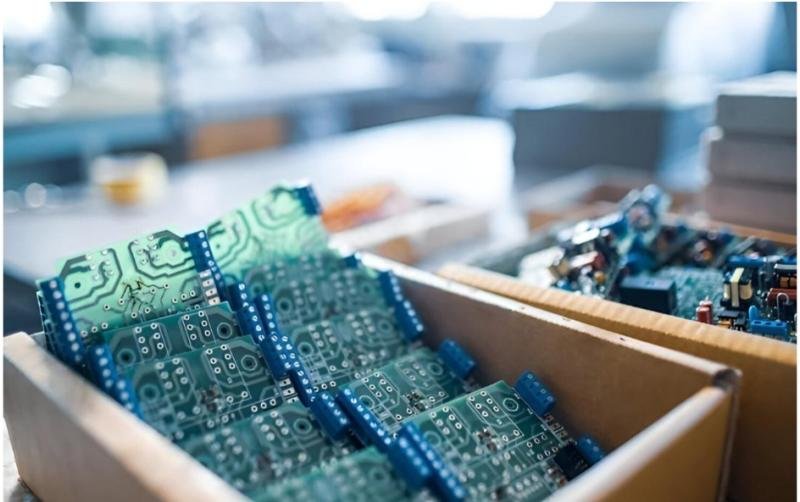
Turnkey PCB assembly is a complete manufacturing solution where a single provider manages all stages of printed circuit board production. This includes design verification, sourcing electronic components, PCB fabrication, assembly, testing, quality control, and final delivery.
The word “turnkey” means that the product is delivered in a ready-to-use condition. From the client’s perspective, the process is simplified because they do not need to interact with multiple suppliers or manage logistics between different production stages. Everything is handled within one organized workflow, improving clarity and efficiency.
Why Electronics Companies Are Moving Away from Traditional Methods
Traditional PCB manufacturing often relies on multiple vendors, each responsible for a specific task. While this approach may appear flexible, it creates several operational challenges:
Miscommunication between suppliers
Delays caused by dependency on multiple timelines
Higher chances of component mismatch
Difficulty in maintaining consistent quality
Increased administrative and coordination costs
When issues arise, identifying the source of the problem becomes complicated. Turnkey PCB assembly eliminates these issues by centralizing responsibility and creating a transparent production process.
Key Benefits of Turnkey PCB Assembly
Simplified Supply Chain Management
One of the most significant advantages of turnkey PCB assembly is having a single point of responsibility. This reduces confusion, minimizes delays, and ensures that every stage of production aligns with the project requirements.
Faster Time to Market
Integrated workflows allow manufacturers to move quickly from design approval to finished boards. This speed is especially valuable for startups, product launches, and companies responding to fast-changing market demands.
Reliable Component Sourcing
Component shortages and counterfeit parts are common challenges in electronics manufacturing. Turnkey providers source components through trusted supplier networks, ensuring authenticity, compatibility, and stable availability.
Consistent Quality Control
Quality checks are applied throughout the production process rather than only at the final stage. This proactive approach reduces defect rates and improves long-term product reliability.
Industries That Commonly Use Turnkey PCB Assembly
Turnkey PCB assembly is widely adopted across industries that demand precision and reliability, including:
Consumer electronics
Medical devices and equipment
Industrial automation systems
Automotive electronics
Telecommunications infrastructure
IoT and smart technology products
Each of these sectors benefits from structured manufacturing processes and strict quality oversight.
Full Turnkey vs Partial Turnkey Assembly
Turnkey PCB assembly services generally fall into two categories:
Full Turnkey Assembly
The manufacturer manages everything-from component sourcing to final delivery. This option is ideal for companies that want minimal involvement in production and maximum efficiency.
Partial Turnkey Assembly
The client supplies certain materials, such as specific components or bare PCBs, while the provider handles assembly, testing, and remaining processes. This model offers flexibility for businesses with existing supply agreements.
Both approaches allow manufacturers to adapt production based on budget, control preferences, and project complexity.
The Role of Engineering Support in Turnkey Assembly
Engineering support is a major advantage of professional turnkey PCB assembly. Before production begins, engineers review design files to identify potential manufacturing challenges.
This process helps to:
Improve component placement
Reduce soldering defects
Optimize thermal performance
Ensure manufacturability and compliance
Early design review minimizes costly revisions later and ensures smoother production cycles.
Importance of Testing and Inspection
Testing is a critical phase in turnkey PCB assembly. A reliable provider applies multiple inspection methods to verify both quality and functionality.
Common testing processes include:
Automated Optical Inspection (AOI)
Electrical continuity testing
Functional testing under real conditions
Visual inspection by trained technicians
These steps help ensure that boards perform consistently and meet industry standards before shipment.
Scalability and Production Flexibility
One of the often overlooked benefits of turnkey PCB assembly is scalability. Whether a company needs a small prototype batch or high-volume production, turnkey services can adapt accordingly.
This flexibility allows businesses to:
Test new designs quickly
Scale production as demand increases
Maintain consistent quality across volumes
Scalable manufacturing is especially important for growing companies planning long-term expansion.
Choosing the Right Manufacturing Partner
Selecting the right partner is essential for successful PCB production. When evaluating a turnkey provider, companies should consider:
Experience with similar projects
Clear and transparent communication
Strong quality management systems
Ability to support both low and high volumes
Compliance with international manufacturing standards
A dependable provider offering Turnkey PCB Assembly Services https://www.globalwellpcba.com/turnkey-pcb-assembly/ helps businesses maintain efficiency, reduce risks, and achieve consistent production outcomes.
Quality Standards and Compliance
Modern electronic products must meet strict safety and performance requirements. Turnkey PCB assembly providers follow recognized industry standards to ensure compliance and reliability.
Adhering to these standards helps reduce failure rates, improve product lifespan, and protect brand reputation in competitive markets.
Why Turnkey PCB Assembly Supports Long-Term Growth
As technology evolves rapidly, product lifecycles are becoming shorter. Companies need manufacturing solutions that can respond quickly without compromising quality.
Turnkey PCB assembly supports long-term growth by:
Reducing operational complexity
Improving production predictability
Supporting faster product launches
Allowing teams to focus on innovation
Organizations that rely on Turnkey PCB Assembly Services https://www.globalwellpcba.com/turnkey-pcb-assembly/ gain a strategic advantage through efficient workflows and dependable manufacturing results.
About the Manufacturing Expertise Behind the Process
Manufacturers like globalwellpcba.com focus on delivering complete PCB solutions aligned with modern electronics requirements. Their structured processes and technical expertise help clients move from design to production with confidence and control.
Final Conclusion
Turnkey PCB assembly has become an essential part of modern electronics manufacturing. By integrating sourcing, fabrication, assembly, and testing into a single coordinated process, businesses can reduce risks, save time, and maintain consistent quality.
For companies seeking efficiency, scalability, and reliability, turnkey PCB assembly remains a practical and future-ready manufacturing solution.
P.O Bagarji Town Bagarji Village Ghumra Thesil New Sukkur District Sukkur Province Sindh Pakistan 65200.
Wiki Blogs News always keeps careful online users to provide purposeful information and to keep belief to provide solution based information.
This release was published on openPR.