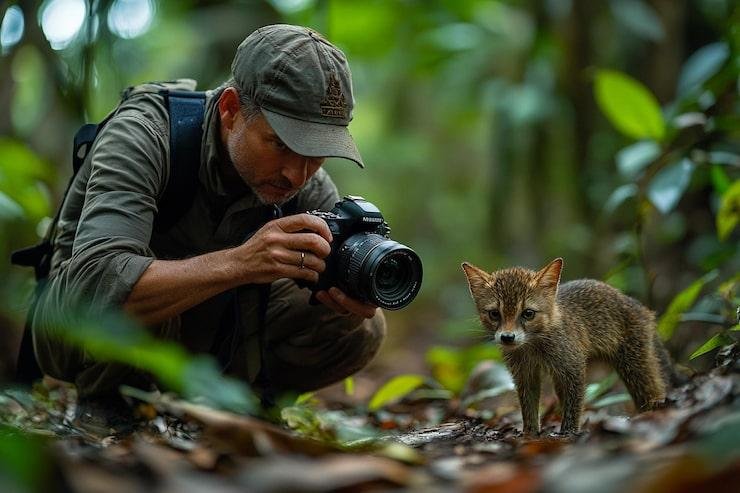
When most people picture wildlife photography, they imagine a photographer hiding behind a giant lens, waiting for a perfect moment. It’s easy to fall into the trap of believing that breathtaking wildlife photos are all about gear – the most expensive camera body, the longest zoom lens, the newest accessories. But in truth, the foundation of impactful wildlife photography isn’t equipment – it’s education.
A wildlife photography course teaches not just how to use your camera, but how to see the world through the lens in the first place. It teaches technique, discipline, ethics, awareness and storytelling. This depth of learning is what truly separates snapshot shooters from photographers who create images that resonate, inspire and endure.
Visit: https://www.australianphotographyschool.com.au/courses/wildlife-photography/
1. Education Gives You the Language of Photography
Photography isn’t just about pushing buttons – it’s about communication. A wildlife photography course teaches you the “language” of photography: how images convey mood, movement and narrative.
Rather than guesswork or trial and error, a formal course dives into:
• How shutter speed, aperture and ISO interact to create meaning in different lighting environments
• Why certain compositions feel powerful while others fall flat
• How to use natural light to your advantage instead of relying on gear to compensate
• The psychological and emotional impact of visual choices
This understanding transforms how you capture wildlife, giving you the confidence to create images that speak to viewers – not just technically correct photos.
2. Wildlife Photography Is About Ethical Interaction
Professional wildlife photographers don’t just understand camera technique – they understand animal behaviour and respect. Without this, wildlife photography can harm the very subjects it seeks to celebrate.
A good wildlife photography course emphasises ethical field practices such as:
• Giving animals space and avoiding interference
• Respecting the animal’s natural behaviour and habitat
• Avoiding baiting or otherwise altering behaviour for a shot
• Understanding conservation status and sensitive environments
In Australia, ethical interaction with wildlife is also supported by government conservation guidelines. The Australian Government’s Department of Climate Change, Energy, the Environment and Water provides essential information on protecting native species and biodiversity, reinforcing the importance of responsible wildlife engagement:
https://www.dcceew.gov.au/environment/biodiversity
Education doesn’t just make you a better photographer – it makes you a better custodian of nature.
3. Understanding Behaviour Is More Valuable Than Expensive Gear
Cameras don’t predict behaviour – educated photographers do. A structured course teaches you how to anticipate animal movements, which is far more valuable than any autofocus system or expensive lens.
In a wildlife photography course, you learn:
• How to read subtle signs that an animal is about to move or interact
• When to wait and when to reposition for better light or background
• How to approach subjects without disturbing them
• How seasonal behaviours affect encounter opportunities
This behavioural awareness elevates your work beyond luck or chance. You start to predict moments, not just react to them.
4. Technical Mastery Comes From Practice – Not Gear Shopping
It’s a myth that expensive equipment substitutes for skill. No camera, regardless of price, will automatically make you a better photographer. What will make you better is understanding how to use whatever gear you have – something strong education provides.
A wildlife photography course teaches you:
• How to choose settings instinctively, even in changing light
• How to use autofocus modes effectively for fast action
• How to stabilise shots without relying entirely on high-end lenses
• How to troubleshoot exposure and movement challenges in real time
In fact, many successful wildlife photographers started with modest equipment. Once they understood technique, then gear upgrades had purpose – not impulse.
5. Storytelling Is the Heart of Memorable Wildlife Photos
The most impactful wildlife images aren’t just technically perfect – they tell a story. They reflect a moment of connection between the photographer, the subject and the environment.
A proper wildlife photography course teaches students how to:
• Capture behaviour and emotion, not just static poses
• Use environmental context to enrich narratives
• Build sequences that show interaction, life cycles and movement
• Choose subjects with purpose, not randomness
This storytelling approach gives images depth and meaning. It moves photos from documentation to visual storytelling – a skill no gadget can replicate.
6. Practical Skills Reinforced Through Video Demonstrations
To complement theoretical learning, visual demonstrations and guides are invaluable. Watching experienced photographers in action helps you understand rhythm, technique and field judgement far more effectively than written instructions alone.
Here’s a helpful video that complements wildlife photography education and gives real insight into practical shooting approaches:
https://www.youtube.com/watch?v=C4HjfzY3z90
7. A Course Helps You Build a Portfolio That Matters
Photography is a visual language – but it’s also a profession for many. Whether you’re aiming to share work on social platforms, exhibit in galleries, publish in magazines or enter competitions, a wildlife photography course helps you build a portfolio that stands out.
In a course environment, you will:
• Learn how to curate your best work
• Understand what makes a cohesive body of images
• Receive feedback from experienced tutors
• Learn how to prepare work for publication or exhibition
8. Better Education Leads to Smarter Gear Decisions
Once you’ve mastered fundamentals, gear upgrades become meaningful rather than impulsive. Education gives you clarity on what tools will truly make a difference in your photography goals.
Instead of buying gear because of marketing hype, educated photographers:
• Choose lenses that match their style and subject focus
• Understand when a tripod, gimbal or teleconverter adds value
• Know how to maximise the performance of their current gear
• Avoid unnecessary equipment expenses
Conclusion: The Photographer Creates the Photo – Not the Camera
If you want wildlife images that move people, inspire respect for nature and reflect your artistic voice, start with education – not equipment. A structured wildlife photography course builds skill, insight and ethical awareness that gear alone can never provide.
Education gives you:
• Technical fluency
• Ethical field practice
• Behavioural awareness
• Storytelling ability
• Purposeful gear decisions
• A compelling portfolio
When your foundation is solid, every image you make has intention, meaning and impact. Stunning wildlife photos come from photographers who understand their craft – and that understanding always starts with education.
This release was published on openPR.